
Bird Watching Binocular Care - How To Clean & Protect Your Binoculars
Binocular care is an important routine to keep up with in order to keep your binoculars in tip-top shape. Binoculars used for bird watching face many hazards to which binoculars used at opera houses and football stadiums are rarely subjected.
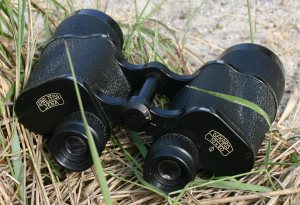
In addition to being able to withstand precipitation and highly corrosive salt spray, bird-watching binoculars should be rugged enough to accompany birders up rocky slopes, in and out of boats, down sandy beaches, and through wet and dry bird habitats.
Center focus binoculars (the preferred type for birding) are particularly vulnerable to water and dirt, which may enter through the focusing apparatus (more or less depending on prism design).
Dirty binoculars provide neither sharp detail nor crisp colors. Here are some binocular care tips to keep yours in their best bird watching condition.
How to Clean Binoculars
Binoculars should be cleaned frequently, following these suggestions.
- Thoroughly wipe dirt off metal parts and brush all lenses with a wad of lens cleaning tissue or a soft camel-hair brush to dislodge particles of sand and grit. Unless these are removed, you could easily scratch the lens and its coating during the cleaning process. Hold binoculars upside down so that dirt will fall away from the lens surface.
- Fold a piece of lens cleaning tissue so that it is at least four layers thick. This prevents oil from your fingers soaking through the tissue and onto the lens surface. Use a circular movement to gently wipe all lens surfaces.
- If there is a film of oil on the lens, put a drop of lens cleaner on the tissue and repeat the circular wiping movement.
- Look for dirt on internal optics by holding the binoculars up to a light and looking into the objective lenses. Never attempt to open binoculars, since alignment is easily disrupted. Though it's expensive, leave this binocular care of internal cleaning to the professionals
Protecting Binoculars
-
 Don't stroll through the woods swinging binoculars by the
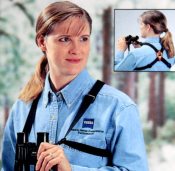
strap. When in the field, always keep the binoculars around your neck...Or get
a comfy
binocular harness.
Don't stroll through the woods swinging binoculars by the
strap. When in the field, always keep the binoculars around your neck...Or get
a comfy
binocular harness. - When performing active maneuvers, such as jumping across a ditch, climbing a rock slope, or getting into a boat, tuck the binoculars inside your jacket or secure them under your arm.
- When driving in a car, don't leave the binoculars on the seat, since a quick stop will send them flying forward. Be certain not to leave your binoculars sitting exposed in your car, especially on a hot summer day. If thieves don't find them, the sun may soften the lens coatings, causing them to crack and separate from the lenses.
- Keep binoculars under cover if it starts raining. Water can leak into the housing, carrying with it dirt that will stain the internal optics. Rain guards offer some protection during light rains and drizzles, but they are not adequate protection for heavy rains. If your binoculars "steam up" on the inside, set them in a warm, dry place, and they are likely to dry out in a couple of days. Otherwise, fungus may start growing on the lens coating.
- If binoculars fall into fresh water, have them professionally cleaned as soon as possible to avoid rusting. If they are dropped in salt water, rinse them thoroughly in fresh water, seal them in a plastic bag, and rush them to a professional service department within three days of the soaking. If the water-soaked binoculars were inexpensive to start with, you might as well buy a new pair, because the repair charge will probably exceed the purchase price.
Hope these binocular care tips help you keep yours in tip-top birding condition. Good luck and remember to always follow your bird watching bliss!
How to Choose Bird Watching Binoculars
Binocular Reviews
Best Binoculars for Bird Watching
Nikon Monarch Binoculars ATB 8x42 Review
Budget Nikon Action Binoculars
Types of Binoculars
Jason Binoculars - Auto Focusing Binoculars
Binocular Repair and Care
Binocular Accessories
Spotting Scopes
Best Bird Watching Spotting Scopes
|
Our Favorite Bird Watching Binoculars, Squirrel-Proof Feeder & Hummingbird Feeder Read Our Reviews: |
||
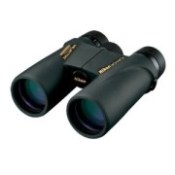
Nikon Monarch M5
Best mid-priced bird watching binoculars. Waterproof, shockproof, multi-coated ED-Glass. |
|
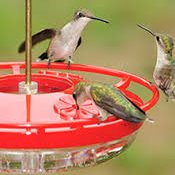
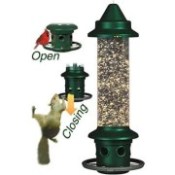
Best Hummingbird Feeder
Drip-Free, Ant-moat, Durable, Easy to Fill and Clean. |
| Click Images or Links To View More Info | ||
Subscribe to Our FREE Newsletter: The Birder Alert!

