
Winter Bird House Plans - Keep Your Birds Cozy All Winter Long!
Below are winter bird house plans for a winter bird roost or shelter that is designed for bluebirds, but may also be used by wrens, chickadees, nuthatches, titmice, tree swallows, and other small birds.
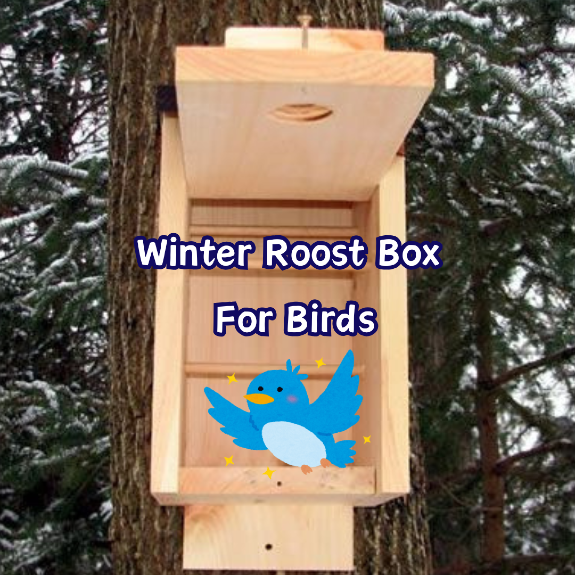
What's especially nice about these winter bird shelter plans is that at the end of winter you can then use it as a bluebird house just by rotating the front wall and removing the perches - nice!
Be sure keep the hole at 1 1/2" and not go larger, otherwise starlings and cowbirds can enter the hole.
Winter Bird House Assembly
Here's a video that quickly shows you how to put together the winter roost box plans from below.
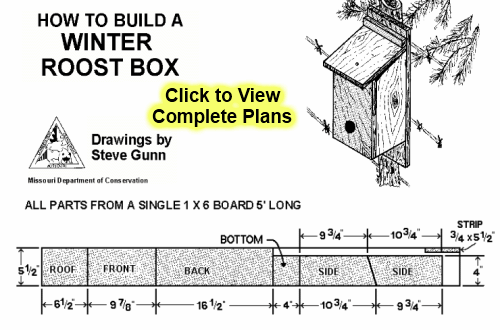
The design above is from the Missouri Department of Conservation where we have found several nice designs for free bird house plans in the the past.
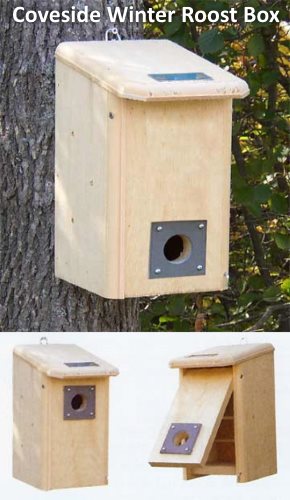
The Coveside Winter Roost Box is a a great shelter box made out of white pine with 3 perches inside to accomodate up to 6 birds or more (depending on size and how close and cozy they want to be) on cold, winter nights.
Helping Birds by Providing Them Shelter in the Winter
Providing a winter bird roost will give birds that extra bit of protection from the wind and cold temperatures and help them preserve calories and energy reserves.
Your winter bird shelter may make all the difference to a bird, especially on an extra cold night or during a fierce wintry storm.
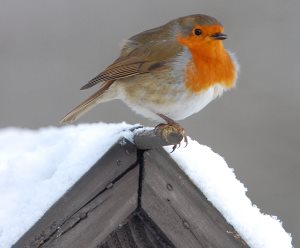
You can just imagine the difference it would make if you were outside in the wind and snow versus being inside a sheltered room.
Get a Bird Bath Heater or Heated Bird Bath
It may be difficult for birds to find open, unfrozen water sources in the winter, so you can also help them out by providing a bird bath heater that you place inside the water or a heated bird bath which has a built-in heater.
This API Heated Bird Bath stays warm down to -20F.
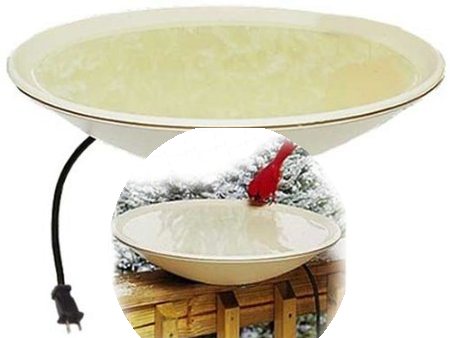
Having a fresh water source means that the birds do not have to waste energy flying to find other water sources.
All you need now is a bird feeder and they have nearly no reason to leave - water, food and shelter all provided by you. I'd move in, wouldn't you?!
Feeding Birds in the Winter
Don't forget to read our Winter Bird Feeding Tips to provide the best high-caloric seed combinations and suet for winter-time feeding.
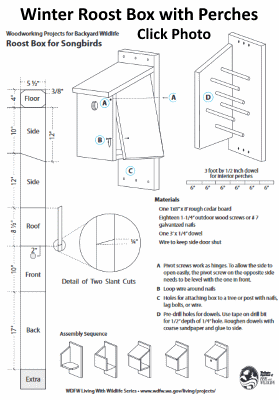
Winter Roosting Box Plans with Perches
Below is another winter roost box plan that shows how to insert dowel rods inside the house for perches.
Do Birds Get Cold? - Learn how birds survive the extreme cold in winter through communal roosting and more.
Bird House Plans for Different Species
Purple Martin Bird House Plans
American Kestrel Nest Box Plans
Phoebe and Robin Nest Box Plans
Bird House Design Tips
How to Build a Wooden Bird House from a Log
Making Bird Houses - Construction Tips
|
Our Favorite Bird Watching Binoculars, Squirrel-Proof Feeder & Hummingbird Feeder Read Our Reviews: |
||
Nikon Monarch M5
Best mid-priced bird watching binoculars. Waterproof, shockproof, multi-coated ED-Glass. |
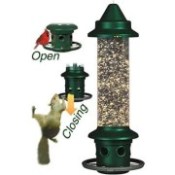
|
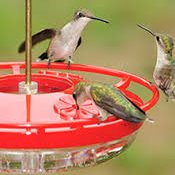
Best Hummingbird Feeder
Drip-Free, Ant-moat, Durable, Easy to Fill and Clean. |
| Click Images or Links To View More Info | ||